

Gambling addiction treatment involves multiple approaches to address the complex nature of the disorder. Common therapies include cognitive-behavioral therapy and motivational interviewing to change harmful behaviors and enhance motivation. Support groups like Gamblers Anonymous offer peer encouragement JQK Malaysia, while medications such as antidepressants and opioid antagonists may help control urges. Self-help techniques like mindfulness and financial boundaries aid in managing cravings. Exploring these options provides a thorough path to recovery and ongoing support.

Signs and Symptoms of Gambling Addiction
Although gambling may begin as a recreational activity, it can develop into a compulsive behavior characterized by specific signs and symptoms JQK. Individuals experiencing gambling addiction often exhibit an uncontrollable urge to gamble despite negative consequences. They may spend increasing amounts of time and money chasing losses, leading to financial strain. Restlessness or irritability when attempting to cut back is common. Secretive behavior and withdrawal from social or professional commitments often occur as gambling takes priority. Additionally, denial about the severity of the problem frequently emerges.
Recognizing these signs early is vital for preserving personal freedom and autonomy. Awareness empowers individuals to take control before the addiction impairs decision-making, relationships, and overall well-being. Understanding these symptoms lays the foundation for seeking appropriate support and regaining freedom from compulsive gambling.
Therapies for Gambling Addiction
Identifying the signs and symptoms of gambling addiction is only the initial step toward recovery. Effective therapies focus on addressing underlying behaviors and thought patterns that drive compulsive gambling.
Cognitive-behavioral therapy (CBT) is widely recognized for helping individuals recognize and change harmful beliefs related to gambling. Motivational interviewing encourages personal motivation to pursue change, fostering a commitment to recovery.
In some cases, family therapy plays a role by improving communication and support within relationships, which can strengthen resilience against relapse. Additionally, certain medications may assist in managing co-occurring conditions, such as anxiety or depression, contributing to better treatment outcomes.
These therapeutic approaches empower individuals to regain control over their lives, promoting lasting freedom from the cycle of addiction.
Support Groups and Resources for Recovery
Among the most effective tools for sustained recovery from gambling addiction are support groups and community resources. These provide a structured environment where individuals can regain control and foster resilience.
Key options include:
- Gamblers Anonymous (GA) – A 12-step program offering peer support and shared experiences.
- Online forums – Accessible platforms for continuous encouragement and advice.
- Local counseling centers – Provide tailored group sessions to address specific challenges.
- Educational workshops – Equip individuals with skills to manage impulses and rebuild confidence.
Utilizing these resources helps create a network of accountability and understanding, essential for lasting change. Freedom from addiction often begins with connection, making these support systems invaluable in the journey toward recovery.
Medications for Gambling Addiction
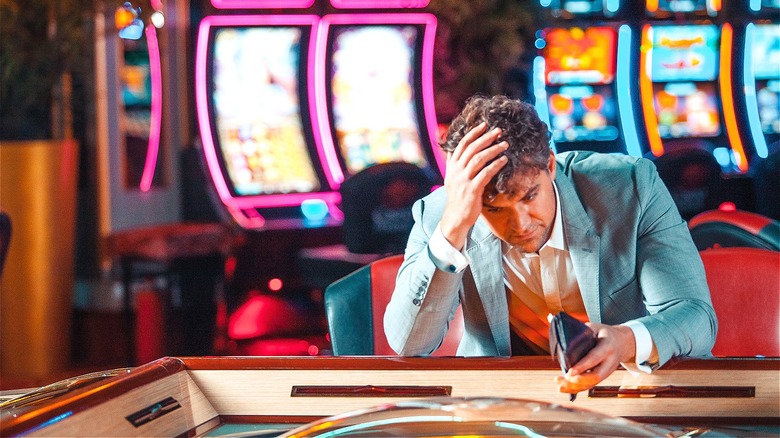
Medications can play a supportive role in treating gambling addiction by addressing underlying psychological and neurological factors. Certain antidepressants, mood stabilizers, and opioid antagonists have been explored to reduce compulsive gambling behaviors and cravings. For example, selective serotonin reuptake inhibitors (SSRIs) may help regulate mood and impulse control, while opioid antagonists like naltrexone can diminish the reward response linked to gambling.
These medications are not standalone cures but can enhance the effectiveness of therapy and counseling. Treatment plans involving medication should be personalized and closely monitored by healthcare professionals to guarantee safety and efficacy. While medication offers valuable support, it forms one part of a holistic approach aimed at restoring autonomy and breaking free from the cycle of addiction.
Self-Help Techniques for Managing Gambling Urges
When confronted with intense gambling urges, individuals can employ various self-help techniques to regain control and reduce the compulsion to gamble. These strategies empower individuals to reclaim their freedom from addiction.
Key approaches include:
- Mindfulness and Deep Breathing: Practicing mindfulness helps recognize triggers and manage cravings without acting on them.
- Distraction Techniques: Engaging in hobbies or physical activity diverts attention away from gambling impulses.
- Setting Financial Boundaries: Limiting access to money reduces the opportunity to gamble impulsively.
- Journaling Urges: Recording thoughts and feelings around urges increases self-awareness and aids in identifying patterns.
Implementing these methods consistently can strengthen self-control and support a gambling-free lifestyle, offering individuals a path toward lasting freedom.
Conclusion
Gambling addiction presents significant challenges, but various treatment options offer hope for recovery. Recognizing the signs and symptoms is essential for early intervention. Effective therapies, support groups, and medications provide structured pathways to manage the disorder. Additionally, self-help techniques empower individuals to control urges and maintain progress. Combining these approaches increases the likelihood of long-term success, emphasizing that recovery is possible with the right resources and commitment.
